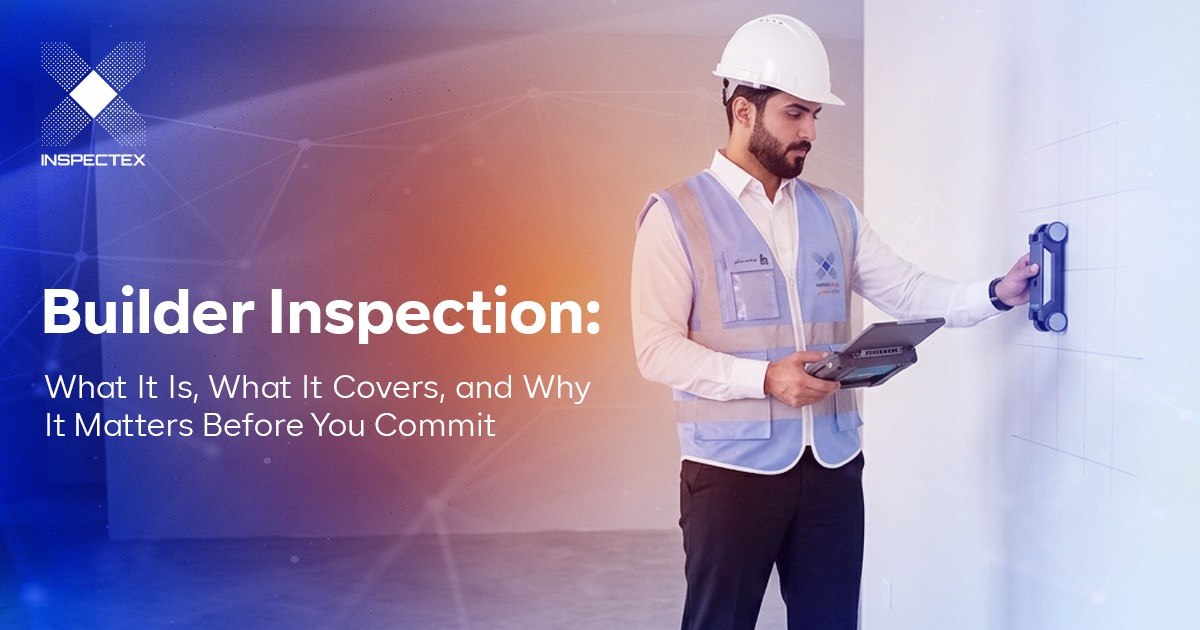
Buying or receiving a newly completed property comes with a natural assumption: if it looks finished, it must be ready. In practice, construction quality varies between projects, and some defects are not visible without a technical assessment. Structural concerns, waterproofing gaps, and MEP installation issues rarely show up on the surface during a walkthrough; they surface months later, usually after handover is long settled.
A builder inspection addresses this directly. It gives you a clear, engineering-based picture of the property’s actual condition before you commit. At Inspectex, the pattern we see consistently in pre-handover assessments is that most issues are far easier to address when identified early. This guide covers what a builder inspection is, what it should examine, and how to make sure you are getting one that delivers real technical value.
Meaning of Builder Inspection
Defining Builder Inspection and Its Role in the Property Market
A builder inspection is an independent technical evaluation of a building’s construction quality, structural condition, and systems performance. It is carried out by a qualified engineer on behalf of the buyer or property owner, and its findings are documented in a formal report measured against defined standards.
The assessment focuses specifically on how the building was constructed: whether workmanship meets code requirements, and whether installed materials and systems correspond to the approved drawings and specifications.
In active property markets like Riyadh and Jeddah, this type of independent evaluation gives buyers a factual, documented record of what the building actually delivers. For a broader breakdown of how building assessments are structured in the Saudi context, building inspection is a useful starting point before commissioning any assessment.
What Are the Most Critical Issues a Builder Inspection Must Identify?
A builder inspection is only as useful as its technical depth. Here is what a rigorous assessment needs to cover.
Structural Integrity: Foundations, Load-Bearing Elements, and Settlement Signs
The structural frame determines how a building performs throughout its entire service life. A professional inspection evaluates foundation conditions and the behavior of load-bearing members to identify early cracking or deflection. Diagonal cracks at column-to-beam junctions or step cracking in masonry near openings are rarely purely cosmetic. These signs require engineering analysis to determine if they reflect normal material behavior or indicate a need for structural remediation.
Furthermore, a comprehensive structural assessment involving destructive testing is generally not feasible during the pre-purchase phase for new villas. Most developers prohibit any procedure that damages the property before a sale is finalized. Consequently, a visual and technical evaluation conducted by a specialized engineer serves as the primary method to detect indicators of underlying structural concerns. If such indicators are detected, the technical risk associated with the property increases significantly, necessitating a reassessment of the investment. In-depth structural diagnostics are typically reserved for buildings several decades old or properties undergoing total renovation, where the owner must verify the capacity of the existing frame to handle new loads.
Quality of Workmanship: Finishes, Fixtures, and Construction Standards
A new building inspection evaluates the standard of execution across plastering, tiling, waterproofing, joinery, glazing, and fixed fixtures. Common findings include tiles with hollow voids beneath, window frames with inadequate perimeter sealing, or plaster applied over a substrate that was not fully dry. These are identifiable on site during inspection, and far more manageable to address before handover than after.
Mechanical, Electrical, and Plumbing Systems in New Builds
System deficiencies in newly completed buildings are more common than most buyers expect. HVAC units without adequate condensate drainage slopes, electrical panels wired without proper load calculations, and plumbing fixtures connected without sufficient venting are all issues that typically appear within weeks or months of occupancy.
A builder inspection must assess all three systems together, since their performance is interconnected. Poor MEP shaft ventilation, for instance, contributes to sustained condensation and, over time, to wall mold within partition systems. Wall mold covers how moisture infiltration progresses within wall systems and what early indicators to look for.
Building Code Compliance and Safety Requirement Gaps
All buildings in Saudi Arabia must comply with the Saudi Building Code (SBC), which sets minimum standards across structural performance, fire safety, and systems installation. A builder inspection must evaluate the building against these specific requirements, not general practice alone.
Non-compliance at this level carries direct consequences: mandatory remediation, legal exposure, and repair costs that fall entirely on the owner.
What a Builder Inspection Checklist Covers
Inspectex inspection methodology relies on a comprehensive engineering audit covering over 1000 inspection points within the property, ensuring the highest standards of safety and structural integrity. This comprehensive builder inspection checklist, executed by Inspectex’s team of specialized engineers (Civil, Electrical, and Mechanical), includes the following:
- Foundation condition and any signs of settlement or movement
- Structural frame: columns, beams, slabs, and load-bearing walls
- Roof structure, drainage configuration, and waterproofing membrane
- External envelope: facade, cladding, window frames, and perimeter sealants
- Internal finishes: plastering, tiling, joinery, and ceiling systems
- Waterproofing in all wet areas, including bathrooms, kitchens, and balconies
- Electrical systems: distribution panels, earthing, circuit protection, and load adequacy
- Plumbing and drainage: pipe routing, gradients, venting, and fixture connections
- HVAC and mechanical systems: installation quality and drainage routing
- SBC compliance across all reviewed categories
- Comparison of approved drawings against as-built conditions
The 4 Types of Building Inspection Every Property Owner Should Know
Understanding where a builder inspection fits within the broader range of property assessments helps you make better decisions at each stage of ownership.
- Pre-purchase inspection: Conducted before finalizing a transaction to identify defects and inform negotiation.
- New building inspection: Focused on recently completed properties, evaluating construction quality and code compliance before handover acceptance.
- Pre-handover snagging inspection: A detailed space-by-space review documenting outstanding defects and items to be rectified before transfer.
- Periodic maintenance inspection: A scheduled assessment of an existing property to identify deterioration and preventive maintenance needs before they escalate.
A builder inspection typically encompasses the scope of the first two or three types, depending on where the client is in the process. For owners managing existing properties, property inspection outlines how structured assessments apply across different building categories and ownership stages.
What Are the Biggest Red Flags a Builder Inspection Can Uncover?
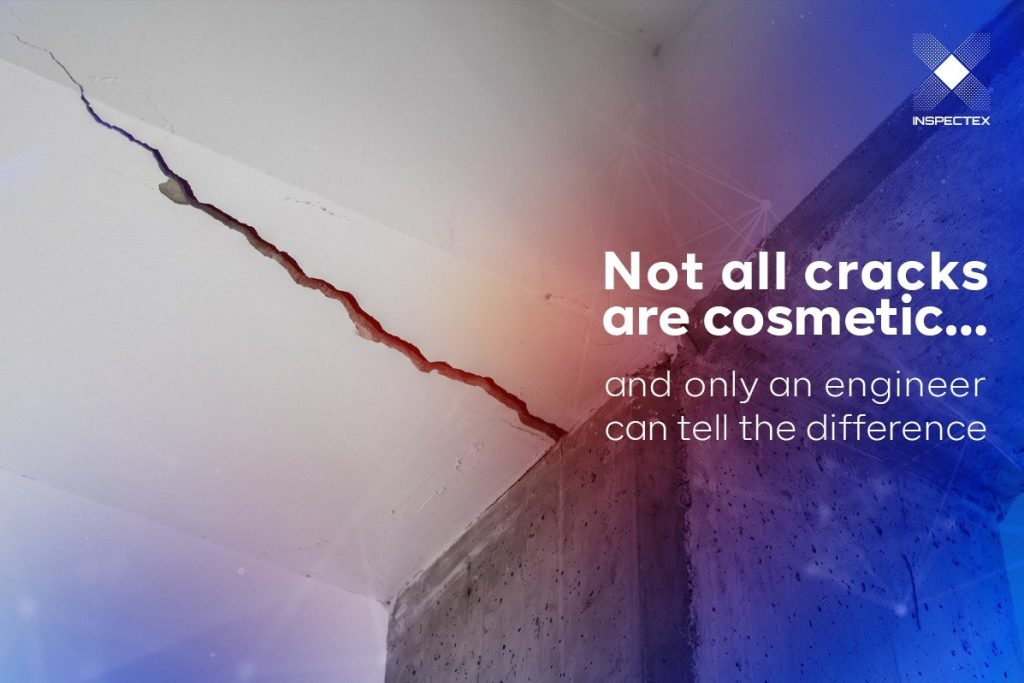
Some findings in a builder inspection require immediate attention, regardless of how minor they may appear on the surface.
Structural Defects That Are Invisible Without a Licensed Building Inspector
Settlement-related movement, rebar corrosion progressing behind rendered finishes, and inadequate concrete cover over structural steel are all conditions that require technical equipment and qualified engineering judgment to detect. Without a licensed building inspector, these go unidentified during handover and become the owner’s problem once the defect liability period has expired.
Non-Compliant Installations That Fail Safety and Code Requirements
Electrical systems with overloaded circuits, missing residual current protection, or inadequate earthing are code violations with real consequences. The same applies to fire suppression coverage gaps or emergency exit configurations that do not meet minimum SBC requirements. Only a licensed building inspector with the appropriate background can identify these reliably.
Signs of Concealed Moisture Damage and Poor Waterproofing
Moisture moves through a building envelope without visible signs on interior surfaces until significant damage has already occurred. Failed waterproofing membranes, improperly sealed pipe penetrations, and inadequate drainage slopes all allow water ingress that only becomes apparent later. A thorough new building inspection uses advanced diagnostic techniques to detect moisture presence behind finished surfaces without any destructive work. Water leak detection explains the technical methodology applied in these assessments.
Why a Licensed Building Inspector Makes All the Difference
The difference between a general site walkthrough and a proper builder inspection comes down to technical qualification and a defined methodology.
A licensed building inspector brings engineering training, working knowledge of SBC requirements, and the technical tools to assess conditions that are not immediately visible. They can compare structural drawings against as-built conditions, interpret material performance data, and evaluate system installations against design specifications.
The choice of building inspection company directly affects the reliability of the information you are basing a significant financial decision on. Methodology, documentation quality, and accountability are not consistent across providers, and they matter considerably when you are assessing a building that will take years to reveal its full condition.
Inspectex Builder Inspection Services: Certified, Comprehensive, and Saudi Market Ready
How Inspectex Conducts New Building Inspections Across Riyadh and Jeddah
Inspectex conducts builder inspections in Riyadh and Jeddah using a multi-specialist field team. For a comprehensive new building inspection, three engineers cover civil and structural elements, electrical systems, and mechanical and plumbing installations in parallel. This structure eliminates the scope gaps that occur when a single generalist covers all disciplines.
The inspection follows a systematic space-by-space protocol across every room and service area. The field team uses advanced diagnostic equipment capable of assessing conditions behind finished surfaces and within MEP installations without any destructive intervention. All findings are measured against the Saudi Building Code, so the report is compliance-referenced throughout.
SBC-Compliant Reporting: Your Builder Inspection Report as a Legal and Financial Asset
The builder inspection report produced by Inspectex moves through a structured internal review process. Field findings pass through a dedicated analysis team, then a recommendations team, and are reviewed and approved by a technical director before release. This takes between three and seven days and produces a document with quantified findings, prioritized action items, and itemized cost estimates for any remediation required.
All data and reports are archived for a minimum of ten years, making the report a reliable reference for future transactions, maintenance planning, or dispute resolution.
Advanced Technology That Sees What Others Miss
Inspectex integrates non-destructive testing methods and precision spatial technologies into its assessment process. These techniques detect voids, embedded defects, moisture accumulation, and structural anomalies that are entirely inaccessible to visual inspection. Where a standard walkthrough stops at the surface, these methods extend the assessment into the building material itself.
Frequently Asked Questions About Builder Inspection
What does a builder inspection checklist cover?
A builder inspection checklist covers five areas: structural elements, building envelope, interior finishes, MEP systems, and SBC compliance.
What Is the Biggest Red Flag in a Home Inspection?
The most critical red flag is the detection of subsurface anomalies that indicate future failure: specifically, thermal anomalies suggesting concealed moisture infiltration in building envelopes, or subtle stress indicators in load-bearing elements that deviate from the Saudi Building Code (SBC) safety margins.
Planning a New Build or Purchase? Start with a Builder Inspection from Inspectex
Before you sign a handover acceptance or finalize a purchase, a new home construction inspection gives you an independent, qualified assessment of the building’s actual condition measured against the Saudi Building Code.
Inspectex delivers exactly that across Riyadh and Jeddah, for residential and commercial properties, with a reporting process that holds up in any future transaction or dispute. Contact Inspectex today to schedule your builder inspection.

Leave a Reply